
Search Lehi Arrest Records
Lehi arrest records are kept by the Lehi Police Department. The city is in Utah County at the north end of the county, right at the border with Salt Lake County. Lehi has grown fast in recent years, and the police department handles a wide range of calls and cases. You can get arrest records by filing a GRAMA request with the police. This guide covers how to search for Lehi arrest records, what forms to use, and what state tools can help you find more data.
Lehi Police Department Records
The Lehi Police Department Records page is where you start a request. The department has a GRAMA Request Form in PDF format that you can download and fill out. You can also call the records office at 385-201-1005 to ask questions or get help with the form.
Below is the Lehi Police Department records page, where you can find the GRAMA form and start your request for arrest records in Lehi.
Fill out the form with as much detail as you can. The name of the person, the date, and any case number you have will help the staff pull the right file. Send the form in by mail, by email, or drop it off in person at the police station.
Lehi follows the state GRAMA rules. The office has ten business days to respond. If they cannot meet that window, they must send you a written note with the reason. Most routine requests for Lehi arrest records go out well within that time frame.
Lehi Arrest Record Details
An arrest record from Lehi is a police file that shows what took place at the time of the stop. It is not proof of guilt. The court decides that later. The record holds facts about the event and the person involved.
A Lehi arrest record may include:
- Full name and date of birth
- Date, time, and place of the arrest
- Charges at booking
- Arresting officer name
- Report and case numbers
Parts of the record may be held back. Utah law protects data on victims, minors, and open cases. If something is redacted from your Lehi arrest records, the office will cite the law that applies. You can appeal if you think the redaction was wrong.
Fees and Response Times
Lehi follows the standard GRAMA fee rules. The first 15 minutes of staff time on a request are free. After that, the city can charge for staff time and copies. The exact rates depend on the type of file and how long it takes to find and prepare. If the cost is going to be high, Lehi may ask for a deposit before they start the work.
Response time is ten business days by law. Most requests are simple and get done faster. Complex asks that cover a lot of data or many cases may take longer. If that happens, the city must tell you in writing.
Note: You can ask for a fee estimate when you file your request for Lehi arrest records.
State Tools for Lehi Arrest Data
Beyond the Lehi police, the state runs systems that hold criminal data from all cities. The Utah Bureau of Criminal Identification is the central hub for arrest and conviction files in Utah. BCI stores data from every police department in the state, Lehi included. A criminal history check costs $15 and can be done at the BCI office in Salt Lake City at 3888 West 5400 South.
You need a valid government photo ID for a BCI check. Cash, checks, and cards are all accepted. BCI data shows arrests and convictions. Cases that were dropped may not show up on all check types. The law sets the rules on what BCI can share based on the purpose of the request.
The Utah Courts XChange portal gives you access to court records from across the state. It costs $0.10 per page with a $0.50 minimum. You can search by name, case number, attorney, or judge. Lehi cases that moved to the Fourth District Court in Utah County show up here. The data is real-time and goes back to the early 1990s.
Below is the Utah Courts XChange portal, a tool that covers court records tied to Lehi arrest cases and other matters statewide.
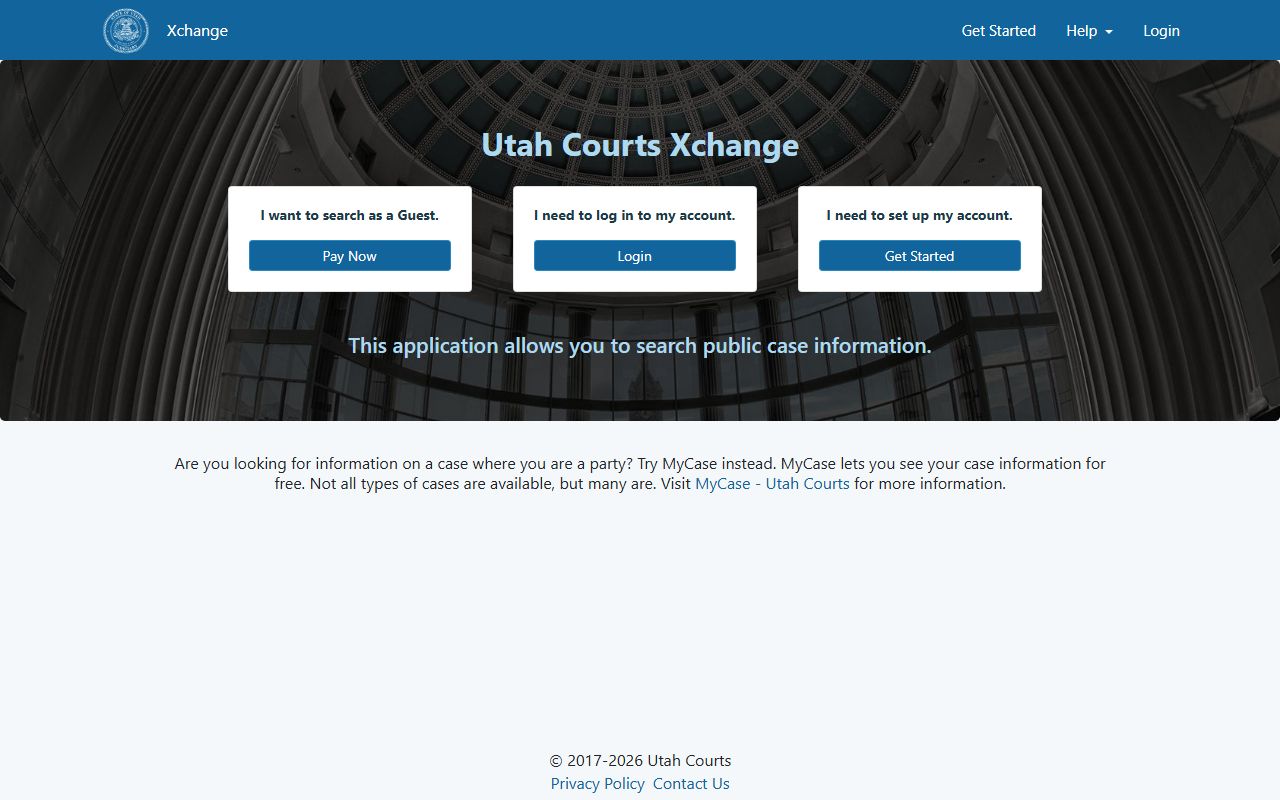
Using both the Lehi police request and the XChange search gives you the arrest side and the court side of a case. Together they paint a full picture.
Lehi Records and GRAMA Law
All record requests in Lehi fall under GRAMA, Utah Code Title 63G Chapter 2. This law was passed in 1991 and sets the rules for all government records in the state. It sorts records into four groups: public, private, controlled, and protected. Most Lehi arrest records sit in the public group.
If the city denies your request, they must cite the law. You can appeal to the local records committee. If that does not work, you go to the state records committee. The process is clear and set by statute. It protects the public's right to access records while also guarding data that the law says must stay private.
Under Utah Code 53-10-108, misuse of criminal history data is a Class B misdemeanor. If you get Lehi arrest records, use them for lawful purposes only.
Victim Alerts for Lehi Cases
Victims linked to a Lehi arrest can use VINELink to track the person in custody. The tool is free and runs all day, every day. You sign up with a name or case number and pick how to get alerts: phone, email, or text. When the person's status changes, VINELink sends you a note right away.
This saves you from calling the Lehi police or the Utah County jail to check on things. The tool is trusted by victim groups across the state and covers all jails and prisons in Utah.
The Utah Department of Corrections offender search shows data on people in state prison. If a Lehi arrest led to prison time, you can look up the person's facility, sentence, and projected release date through that tool.
Getting the Most from Your Search
Start with the GRAMA form on the Lehi police website. Fill in all the facts you have. A full name is key. A date and case number help a lot. Submit the form and wait for the response within ten business days. While you wait, search the XChange portal for court data. If you want statewide criminal history, go to BCI.
Each tool shows a different piece of the puzzle. The police file covers the arrest. The court file covers what came after. BCI holds the statewide picture. Using all three gives you the most complete set of data on any Lehi arrest case.
Utah County Resources
Lehi is part of Utah County. Arrest cases from the city often move through the county court and jail systems. The county keeps its own set of records for bookings, court hearings, and case results. For more on arrest records in the area, see the Utah County page.